


Industrial adviser: If two new processes under consideration are not substantially different in cost, then the less environmentally damaging process should be chosen. ███ ████████ █ ███████ ███████ ███████ ██ ███████████████ ████████ ███████ ███ █████████ ███ █ ████ ████████ ███████ █████ ███████ ███████████ █████ ████ ████ ███████ ██████ ██████ ████ ██ █████████ ██ ██████ ███████ ████████ ██ ██████ ██ █████ █████████ ███████ █████████████ ███████ ████ ███ █████
We’re given two conditional statements governing what process a company should use:
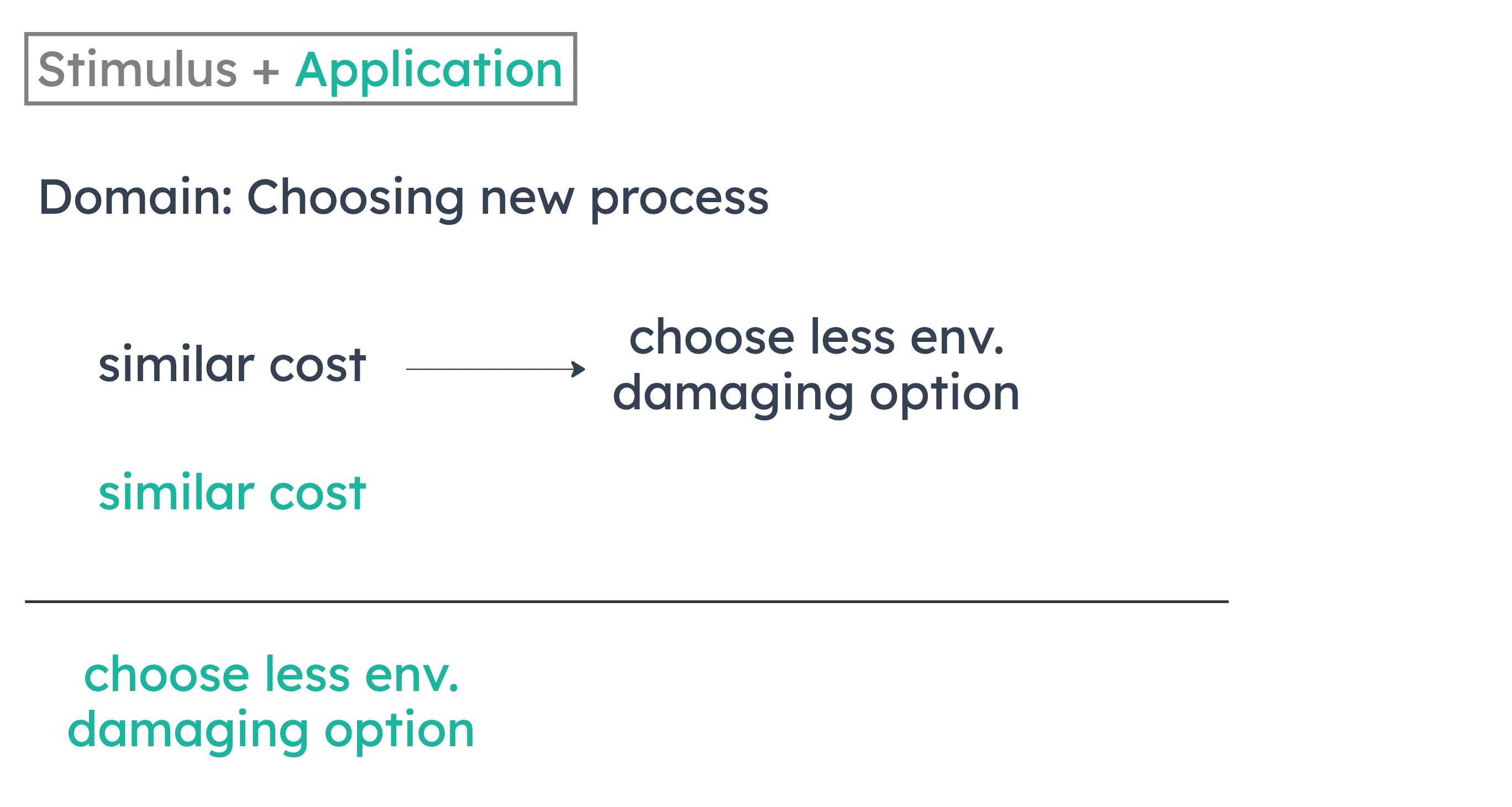
(1) If two new processes cost about the same, then the one that damages the environment less should be chosen.
(2) If a company is making a costly change from an environmentally damaging process, and they should switch to a new process, then switching is either legally required or will save them far more money over the long run.
We need to find the correct application of these principles, and our right answer could use either one.
Our first principle can support conclusions about when to use a less environmentally damaging process. It can do this by showing that two new processes cost about the same, but that one is better for the environment.
Our second principle can support multiple conclusions about switching to a less environmentally harmful process, including that a company is legally required to switch, that switching would save them significant money over the long run, and that they should not switch. We cannot conclude that a company should switch, however, as this variable only exists in our sufficient condition.
Which one of the following █████████ ████████ ████ ███████ ██ ███ ██████████ █████████ ██ ███ ██████████ ████████
A new law ████████ █████████ ███ ███████ ███ ████████ █████████ █████ ██████ █ ███████ ██ ███████ █ ██████ █████████ ███████ ██ ████████ ██ █ ████ ███████████████ █████ ███████ ███ █████████████ ████ ███████ ███ ███████████ ████ ██ ██████████ ██ █████ ██ ███ ███ ████ ███ ███████ ██████ ██████ ███ ████████
Wrong conclusion. (A) concerns a company already using a damaging process, so it’s using principle 2. Principle (2) can only help us conclude when a company shouldn’t switch processes, however, and not when they should. This is because when a company should switch exists only in the sufficient condition, and we can never conclude the presence of a sufficient condition.
In manufacturing pincushions, █ ███████ ████ █ ███████ █████ ██████ ██████ ███ ████ █████ █████ ██████ █████████ ███ ███ █████████████ ██████ ██ ███████ ███ ███████ ██████ ██████ ███ ███████ ██ ████████ ███ ██████ ██████ ███████ ████ ████████ █████████ ██████ ████ █████ ███
Wrong conclusion. (B) concerns a company already using a damaging process, so it’s using principle 2. Principle (2) can only help us conclude when a company shouldn’t switch processes, however, and not when they should. This is because when a company should switch exists only in the sufficient condition, and we can never conclude the presence of a sufficient condition.
A company is ███████████ ███ ███ █████████ ███ ███ ███████████ ██ ████████ ███████ █ ██ ████ █████████ ████ ███████ █ ███ ███ █████████████ ███ ████████ ███████ █ ██ █████████████ ████ ███████████████ ████████ ████ ███████ ██ ███ ███████ ██████ █████████ ███████ ██
(C) covers a company picking a new process, so it’s using premise (1). We know that if the cost is roughly the same, the company should choose whichever process is better for the environment. Process A is only slightly more expensive than process B, alongside being better for the environment, so the company should choose process A.
Two new processes ███ █████ ██████████ ███ ███ ███████████ ██ ████ █████████ ███ █████████ ███ ████████ ██████ ████ ███ █████████ ████ ██ ███████ █ ████ ███████ █ ██████ █████ ████████ ████ ████ ████ ███ █████████ ███ ███████ ██ ███████ █ ██ ████ ████████ ███████ ████ ███████ ██ ███ ███████ ██████ ███ ███████ ██
Wrong Conclusion. If two new processes cost roughly the same and one is better for the environment, then the company should choose the one better for the environment. The two ball bearing processes cost roughly the same and B is better for the environment, so the company should choose process B, not A.
A company is ███████████ ████████ ███ ███████ ███ █████████████ ██████████ ███ ███ ███████ ██ ███████ ███ ████ ███████████████ ████████ ████ ███ ████ ████ ███ ██████ ████████ █████████ █████ ██ ███████ ███ ███ ████ █████ ██ ██████ ████████ █████████ ██ █████████ ████████ ███ ███████ ██████ ██████ ██████████
Wrong conclusion. (E) concerns a company already using a damaging process, so it’s using principle 2. Principle (2) can only help us conclude when a company shouldn’t switch processes, however, and not when they should. This is because when a company should switch exists only in the sufficient condition, and we can never conclude the presence of a sufficient condition.
Answer five questions and we'll estimate your score.
It takes about five minutes.
Take the free diagnosticWant to know why the right answer is right?
7Sage membership unlocks explanations of every question. Every answer choice. On every official PrepTest. Start with a free account.
By signing up you agree to our
terms of service.
This site is protected by reCAPTCHA and the Google
Privacy Policy
and
Terms of Service
apply.