
Self-study
Support If a piece of legislation is the result of negotiation and compromise between competing interest groups, it will not satisfy any of those groups. ███ ██ ███ ███ ████ ███ ████████ ███████ █████ █████████ ██████████ █ ██████ ██ ███████████ █████ ███ ███████ ████████ ██████ ████ ███ █████████ ████ ███ ███████ ███ ██ █████ ██████ ███ ███████ ███████ ████ ███
Summarize Argument
The author concludes that the trade agreement is the result of compromises between competing interest groups. He supports this with the following premises:
(1) If legislation is the result of negotiation and compromises between competing interest groups, it will not satisfy any of those groups.
(2) All the groups involved in the trade agreement are unhappy— or unsatisfied— with it.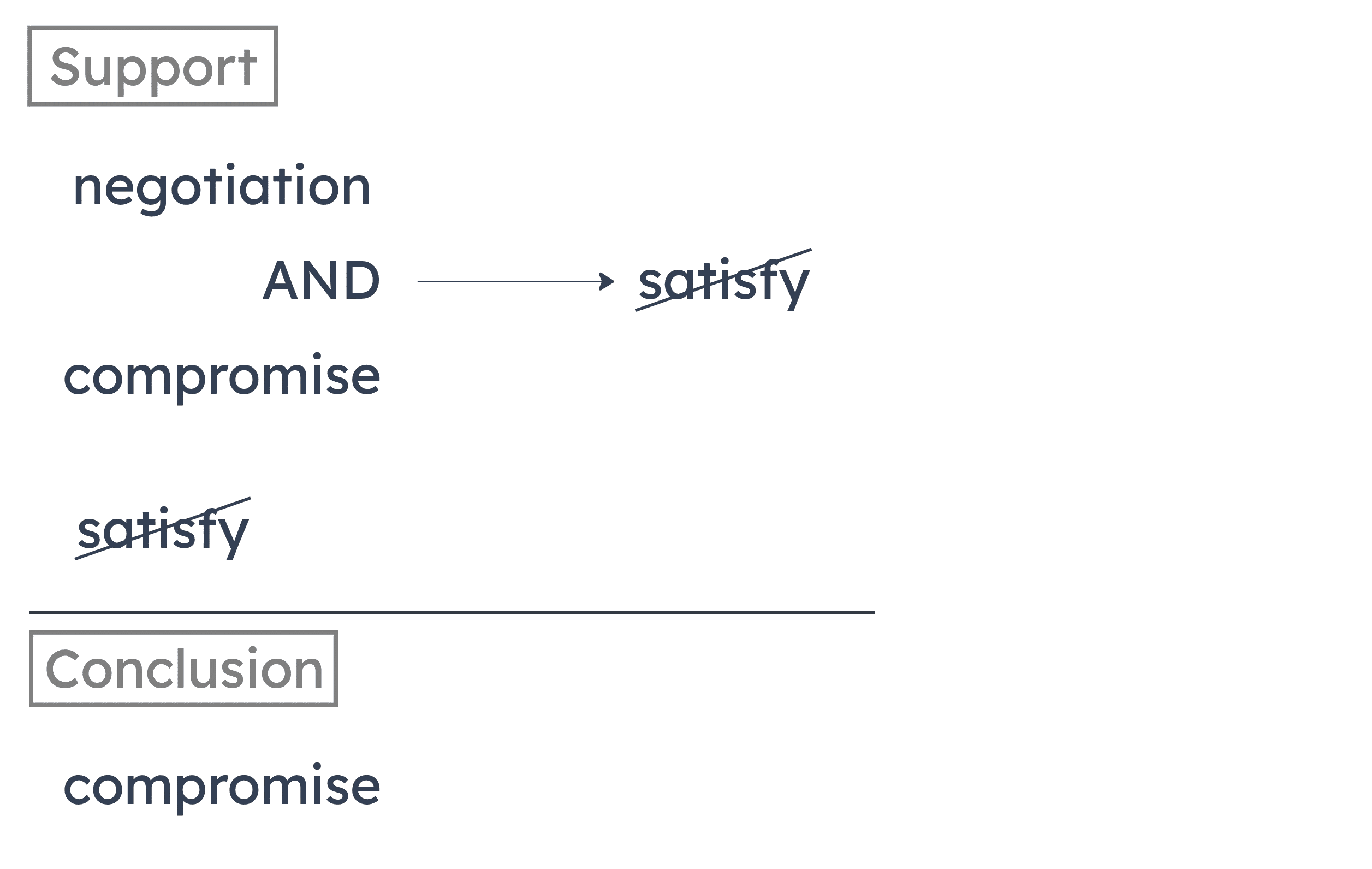
Identify and Describe Flaw
This is the cookie-cutter flaw of confusing necessary and sufficient conditions. The author treats “compromises” as necessary for “unsatisfied,” but according to his premises, “compromises” is part of the sufficient condition.
In other words, it’s possible that the trade agreement was not the result of compromises, even though all of the interest groups were unsatisfied with it.
 Analysis by EleanorRoberts
23.
Which one of the following ████ ██████████ █████████ █ ███████ ████ ██ ███ █████████
a
It draws a ██████████ ████ ██ ██████ █ █████████ ███████████ ██ ███ ██ ███ █████████
b
It concludes that █ █████████ ██ █████████ ███ █ ███████ ██████ ██████ ████ ███ █████ ████ ███ █████████ █████ ██ ████ ███████
c
It relies on █████████████ █ ███ ████ ██ █ █████ █████████ ███ ██ ███ ██████████ ████ ███ ███ ████ ████ ██ ██████████ ██ ███ █████████
d
It takes for ███████ ████ ██ █████ ██ ███████████ ███ ████ ███████ ███ █████████ ████████ ███████
e
It bases a ██████████ █████ █ ██████████ ████ ██ █ ███████ █████████ ████ ████████ █ █████████ ████ ██ █████