


Support If a piece of legislation is the result of negotiation and compromise between competing interest groups, it will not satisfy any of those groups. ███ ██ ███ ███ ████ ███ ████████ ███████ █████ █████████ ██████████ █ ██████ ██ ███████████ █████ ███ ███████ ████████ ██████ ████ ███ █████████ ████ ███ ███████ ███ ██ █████ ██████ ███ ███████ ███████ ████ ███
The author concludes that the trade agreement is the result of compromises between competing interest groups. He supports this with the following premises:
(1) If legislation is the result of negotiation and compromises between competing interest groups, it will not satisfy any of those groups.
(2) All the groups involved in the trade agreement are unhappy— or unsatisfied— with it.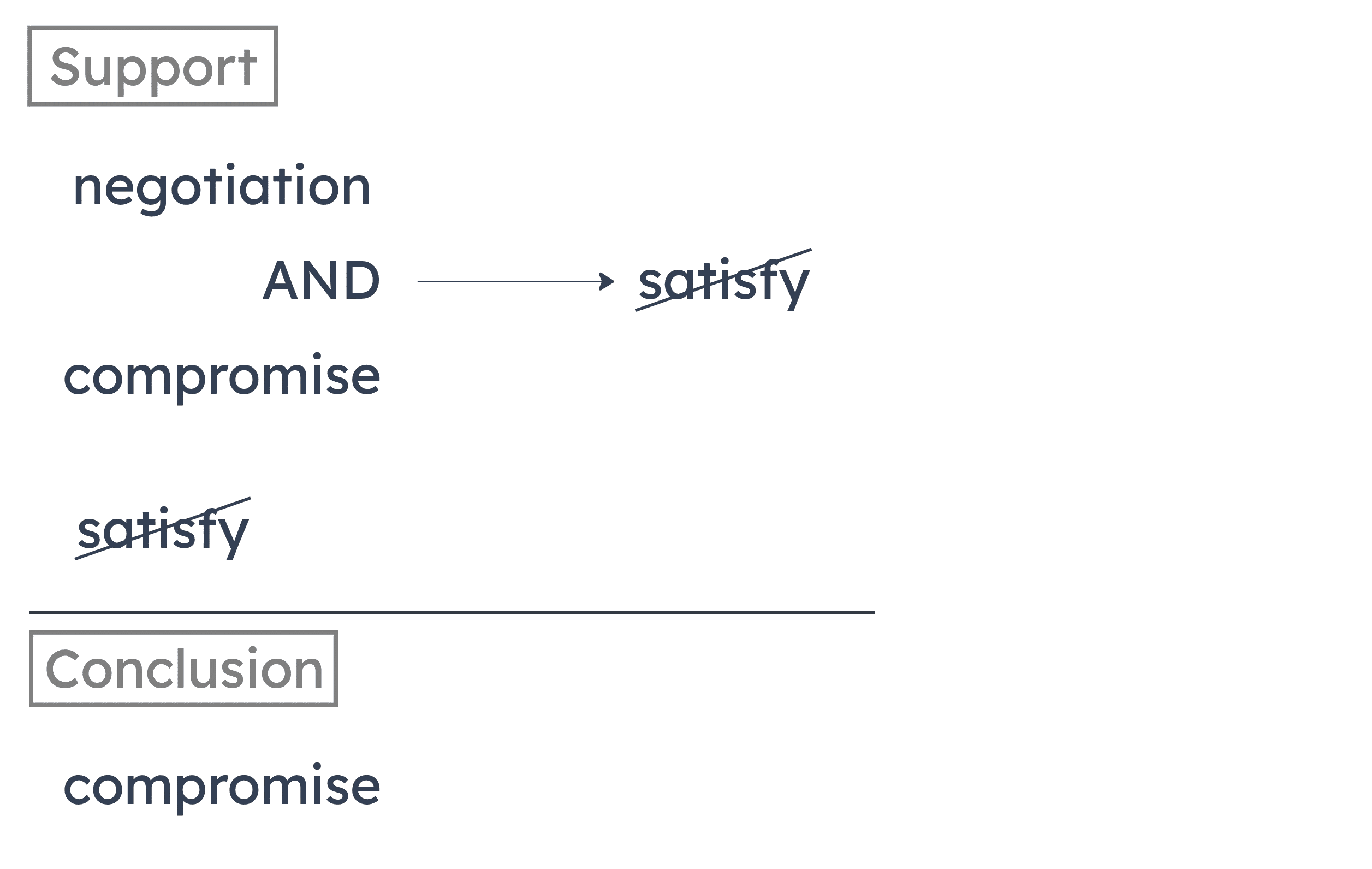
This is the cookie-cutter flaw of confusing necessary and sufficient conditions. The author treats “compromises” as necessary for “unsatisfied,” but according to his premises, “compromises” is part of the sufficient condition.
In other words, it’s possible that the trade agreement was not the result of compromises, even though all of the interest groups were unsatisfied with it.
Which one of the following ████ ██████████ █████████ █ ███████ ████ ██ ███ █████████
It draws a ██████████ ████ ██ ██████ █ █████████ ███████████ ██ ███ ██ ███ █████████
This is the cookie-cutter flaw of circular reasoning. The author doesn’t make this mistake. His premises may not support his conclusion well, but they are distinct from his conclusion.
It concludes that █ █████████ ██ █████████ ███ █ ███████ ██████ ██████ ████ ███ █████ ████ ███ █████████ █████ ██ ████ ███████
The author concludes that “compromises” is necessary for “unsatisfied,” merely from the claim that compromises lead to interest groups being unsatisfied. But it’s possible that the trade agreement is not the result of compromises, even though its interest groups are unsatisfied.
It relies on █████████████ █ ███ ████ ██ █ █████ █████████ ███ ██ ███ ██████████ ████ ███ ███ ████ ████ ██ ██████████ ██ ███ █████████
This is the cookie-cutter flaw of equivocation. The author doesn't use the same key term in different ways. He does assume that “unhappy” interest groups are also “unsatisfied,” but this is reasonable in the context of his argument.
It takes for ███████ ████ ██ █████ ██ ███████████ ███ ████ ███████ ███ █████████ ████████ ███████
The author doesn’t assume that no legislation can satisfy all interest groups. Instead, he mistakenly assumes that if a piece of legislation does not satisfy all interest groups, then it must be the result of compromises.
It bases a ██████████ █████ █ ██████████ ████ ██ █ ███████ █████████ ████ ████████ █ █████████ ████ ██ █████
The author doesn't make this mistake. He bases a conclusion about a piece of legislation on premises that are also about a piece of legislation.
Answer five questions and we'll estimate your score.
It takes about five minutes.
Take the free diagnosticWant to know why the right answer is right?
7Sage membership unlocks explanations of every question. Every answer choice. On every official PrepTest. Start with a free account.
By signing up you agree to our
terms of service.
This site is protected by reCAPTCHA and the Google
Privacy Policy
and
Terms of Service
apply.