


In the Riverview Building, Support every apartment that has a balcony also has a fireplace. ████ ██ ███ ██████████ ████ █████████ ██ █ ███████████ ██████████ ██ ████ ██ ███ ███████████ ██████████ ███ █ ██████████
As shown below, this stimulus sets up two conditional relationships, each with the same sufficient condition:
If an apartment has a balcony, it has a fireplace.
If an apartment has a balcony, it isn’t a one-bedroom.
Because apartments with balconies both have fireplaces and aren’t one-bedrooms, the author concludes that no one-bedroom apartment has a fireplace (or, by the contrapositive, no apartment with a fireplace is a one-bedroom).
This argument erroneously links two terms (”fireplace” and “not a one-bedroom”) just because they are necessary conditions to the same sufficient condition (”balcony”). While we know that some apartments with fireplaces are not one-bedrooms (because all apartments with balconies fit that description), that doesn’t mean that all apartments with fireplaces are not one-bedrooms! There might be apartments in the Riverview Building that don’t have balconies, and those could be one-bedrooms with fireplaces.
The flawed nature of the ████████ █████ ███ ████ ███████████ ██ ████████████ ██ ██████ █████ ██ ████████ ██████████ ██ █████ ████████ ████
every fish has ███ █████ ██ ███ █████ ███ ███ ██ ███ ██ █ ████
Wrong flaw. Like the stimulus, this erroneously links two terms (”fur” and “not a fish”) just because they are necessary conditions to the same sufficient condition (”cat”). Unlike the stimulus, however, (A) negates one of the terms: in the conclusion, the terms are “fish” and “fur,” but in the premises, the terms are “not a fish” and “fur.” Because that negation doesn’t occur in the stimulus, this isn’t the correct answer.
some cats lack ███ █████ █████ ███ ███ ███ ███ ██ ███ ██ █ ███
Wrong flaw. Like the stimulus, this erroneously links two terms (”fur” and “not a cat”) just because they are necessary conditions to the same sufficient condition (”dog”). Note that the argument would be valid if the conclusion were “some things with fur aren’t cats,” but this argument negates the terms to reach the invalid conclusion “some cats lack fur.” This isn’t the same flaw we see in the stimulus, though, where the erroneous link between the necessary conditions isn’t in the form of a “some” relationship.
no dog has ███ █████ █████ ███ ███ ███ ███ ██ ███ ██ █ ███
As shown below, this stimulus sets up two conditional relationships, each with the same sufficient condition:
If it’s a cat, it has fur.
If it’s a cat, it isn’t a dog.
Because cats both have fur and aren’t dogs, the author concludes that nothing with fur is a dog. This is the same flaw and structure from the stimulus, where the argument assumes a conditional relationship between two terms just because they share a sufficient condition.
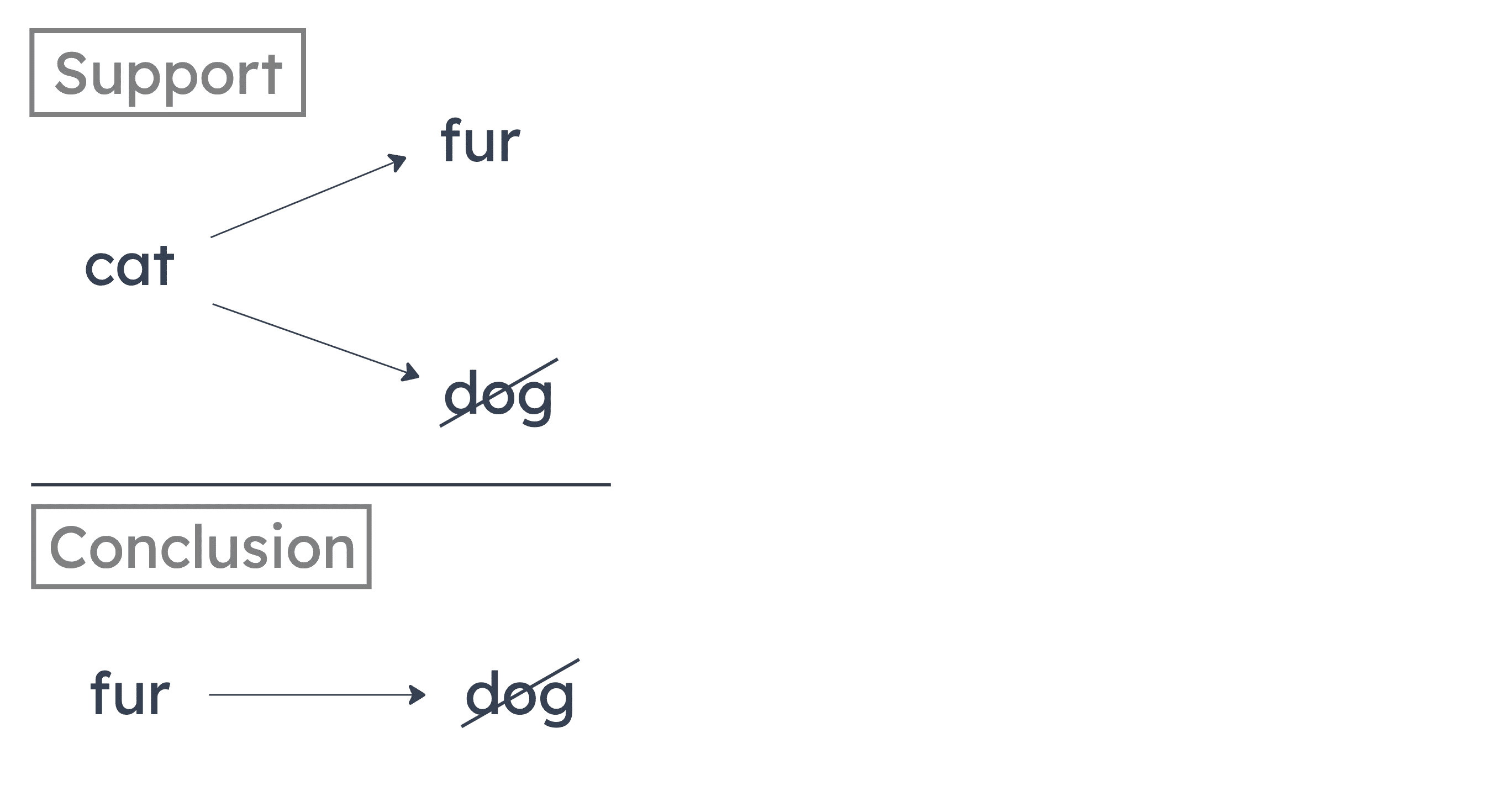
every cat is █ ████ █████ ██ ███ ██ █ ███ ███ ██ ███ ██ █ ████
Wrong flaw. Like the stimulus, this erroneously links two terms (”(not a) cat” and “(not a) fish”) just because they are necessary conditions to the same sufficient condition (”dog”). Unlike the stimulus, however, (D) negates both of the terms in the conclusion: in the premises, we are dealing with “not a cat” and “not a fish,” and in the conclusion, we end up with “cat” and “fish.” Because that negation doesn’t occur in the stimulus, this isn’t the correct answer.
no fish is █ ███ █████ █████ ███ ██ █ ██████ ███ ██ ████ ██ █ ██████
No flaw. If it’s a dog, it’s a mammal; if it’s a mammal, it’s not a fish. By following this chain of conditional claims, we can validly conclude that if something is a dog, it’s not a fish—in other words, “no fish is a dog.” This is a valid argument, so it can’t be the correct answer!
Answer five questions and we'll estimate your score.
It takes about five minutes.
Take the free diagnosticWant to know why the right answer is right?
7Sage membership unlocks explanations of every question. Every answer choice. On every official PrepTest. Start with a free account.
By signing up you agree to our
terms of service.
This site is protected by reCAPTCHA and the Google
Privacy Policy
and
Terms of Service
apply.