


Support If a mother's first child is born before its due date, it is likely that her second child will be also. ████████ ██████ █████ ███ ███ ████ ██████ ███ ███ █████ ██ ██ ██ ██████ ████ ████████ █████ █████ ███ ███ ████ ██████ ███ ███ ████ ███████
The argument presents a conditional statement with the word “likely” in the necessary condition: If a mother’s first child is premature, then her second child will likely be premature. It then concludes that the sufficient condition will likely be absent without successfully denying the necessary condition.
This argument features bad conditional reasoning. It is attempting to take the contrapositive of the conditional statement, but it does not successfully prove the absence of the necessary condition. It only tells us that Jackie’s second child was not premature, when we need to know it wasn’t likely to be premature. Since the necessary condition is not proven to be absent, we can’t use the contrapositive.
The questionable reasoning in the ████████ █████ ██ ████ ███████ ██ ███ █████████ ██ █████ ███ ██ ███ ██████████
Artisans who finish █████ ████████ ██████ ███ █████ ████ ████ ████████ ██ ██ ███ █████ █████ ███ ████ ███ ██████ ███ ███████ ██████ ███ █████ ██ ██ ████████ ████ ███ ██ ██ ███ █████ █████
Wrong flaw. (A) gives us a conditional statement about artisans: if they finish their projects before the fair, they will likely go to the fair. It then invalidly concludes that the absence of the sufficient condition leads to the absence of the necessary condition. The stimulus, however, attempts to use a contrapositive without proving the absence of the necessary condition, so (A) doesn’t match.
All responsible pet ██████ ███ ██████ ██ ██ ████ ████ █████████ ██ ██████ ███ ██ ████ ████ ████████ ██ ████████ █ ███████████ ███ ██████
Wrong flaw. (B) gives us a conditional statement (if responsible pet owner, then likely good with kids), but it confuses a necessary condition with a sufficient condition. The stimulus, however, attempts to use a contrapositive without proving the absence of the necessary condition, so (B) doesn’t match.
If a movie ██ █ ██████████ ████ ██ ██ ██████ ████ ███ ██████ ████ ██ █████ ███████ ███ ███ ██████ ██ ███████ ██ ███ ███ █ ██████████ ████ ██ ███████ █ ███ ████████ ███ █ ██████████ ████
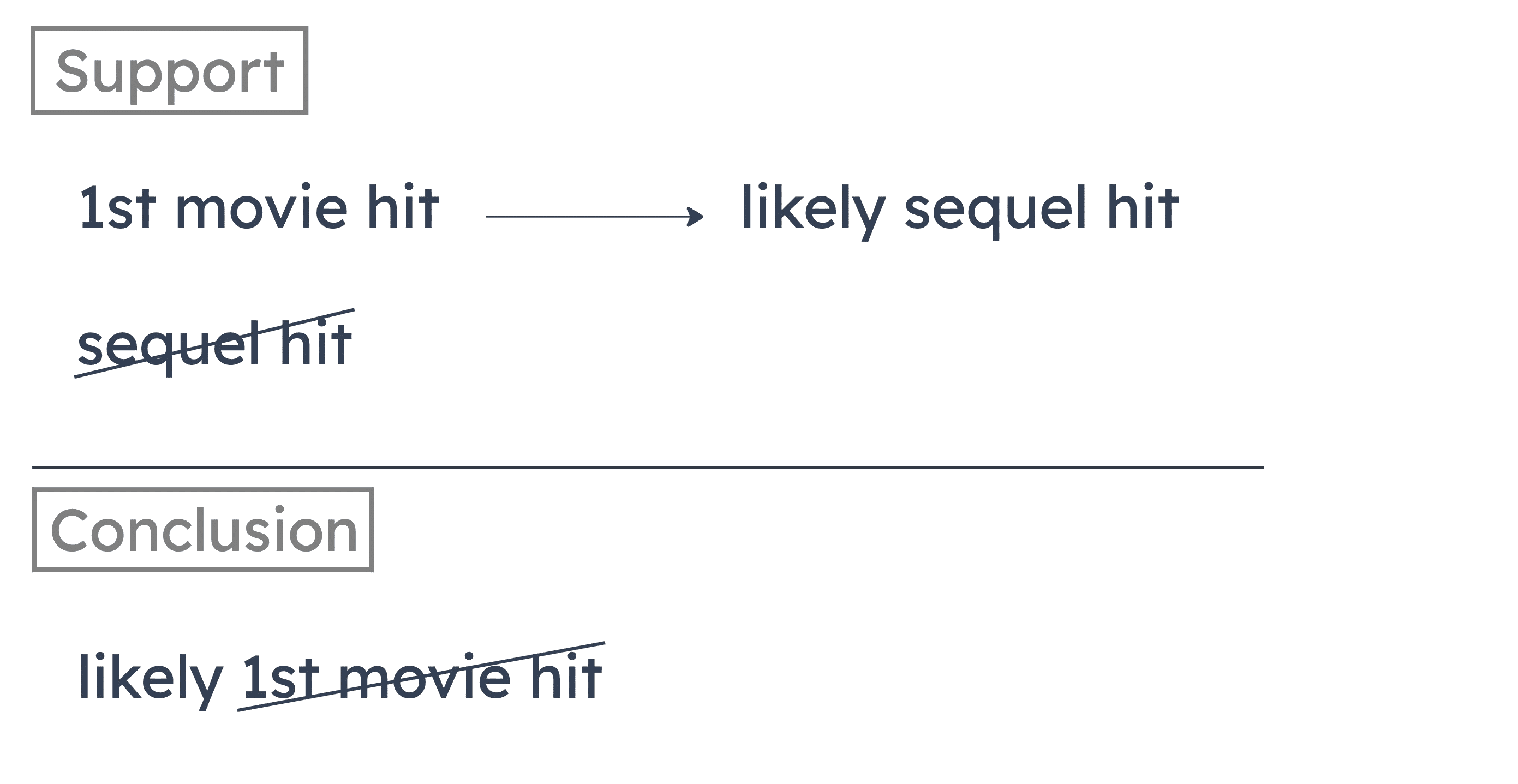
(C) presents a conditional statement with the word “likely” in the necessary condition: if a movie is a hit, then its sequel will likely be a hit. It then concludes that the sufficient condition will likely be absent without successfully denying the necessary condition. The stimulus also attempts to use a contrapositive without proving the absence of the necessary condition, so (C) matches.
If a business ██ ██████ ██ █████ ██████ ████ ███ ██████ ██ ███ ██████ █████ ██ ██████ ██ █████ █████████ ██ ███ ██ ██████ ██ ██████ ██ ███
No flaw. (D) sets up a conditional statement (if a business is likely to fail, then people won’t invest in it) and validly concludes that the sufficient condition leads to the necessary condition.
Tai will go ███████ ████ ██ ███ ███████ ██ █████ ███ ███████ ████ ██ █████ ████ ███ ████ ████████ ██ ████████
Wrong flaw. (E) gives us a conditional statement (if Tai goes sailing, then the weather is nice), but it confuses a necessary condition with a sufficient condition. The stimulus, however, attempts to use a contrapositive without proving the absence of the necessary condition, so (E) doesn’t match.
Answer five questions and we'll estimate your score.
It takes about five minutes.
Take the free diagnosticWant to know why the right answer is right?
7Sage membership unlocks explanations of every question. Every answer choice. On every official PrepTest. Start with a free account.
By signing up you agree to our
terms of service.
This site is protected by reCAPTCHA and the Google
Privacy Policy
and
Terms of Service
apply.