


Many successful graphic designers began their careers after years of formal training, although a significant number learned their trade more informally on the job. ███ ██ ████████ ████ ██████ ██████████ ███ ███████ ███ ██████ ██ █ ███████
The stimulus can be diagrammed as follows: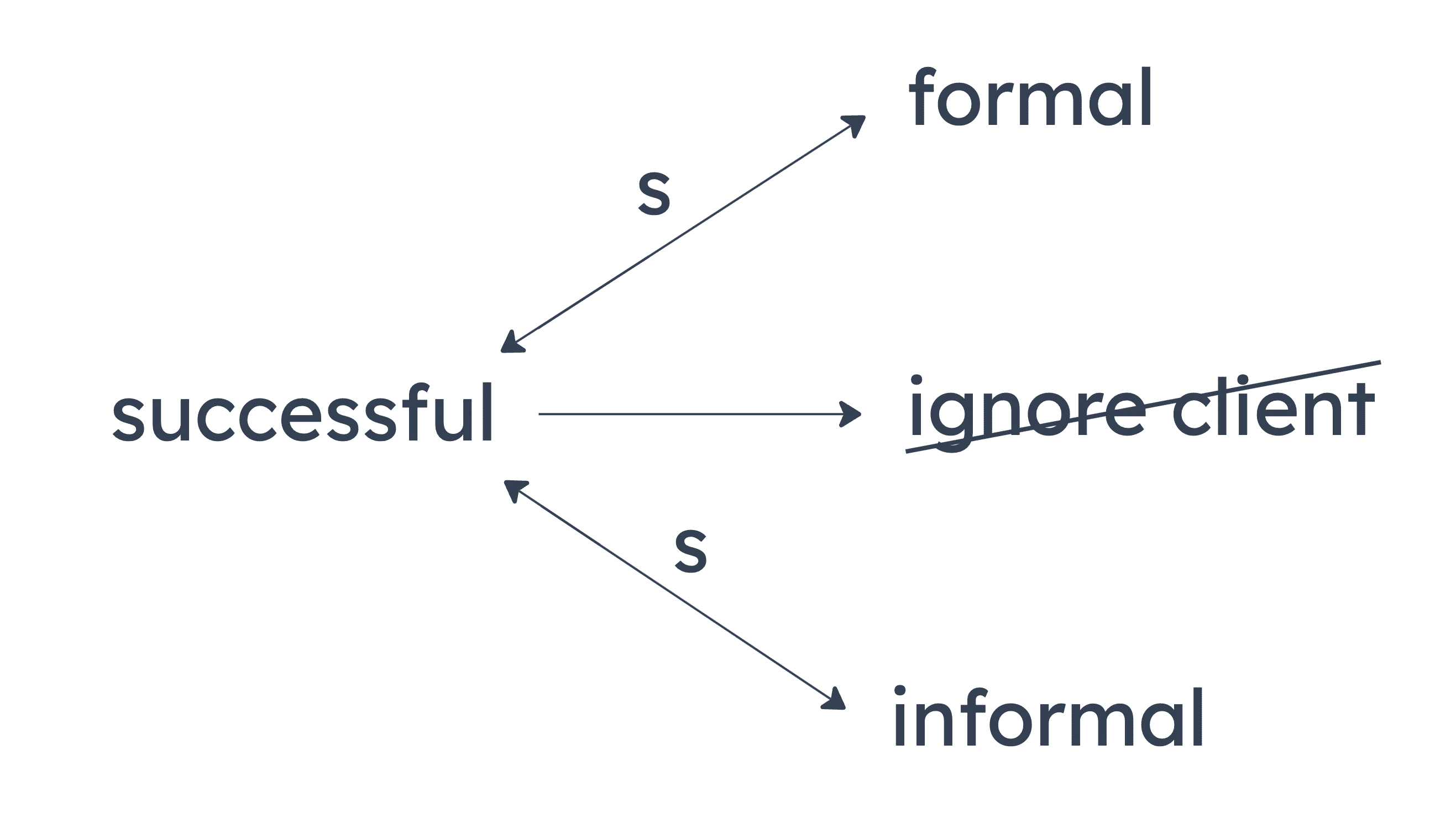
Some graphic designers with formal training do not ignore clients’ wishes.
Some graphic designers with informal training do not ignore clients’ wishes.
If all of the statements █████ ███ █████ █████ ███ ██ ███ █████████ ████ ████ ██ █████
All graphic designers ███ ███ ████████████ ████ ███████ ███ ██████ ██ █ ███████
This could be false. (A) says “/successful→Ignore client.” This is a confusion of the sufficient and necessary conditions of the relationship described in the stimulus.
Not all formally ███████ ███████ █████████ ██████ ████████ ███████
This must be true. If we translate into lawgic, (B) says “formal ←S→ /ignore client.” As shown below, we see that there must be overlap between those two groups.
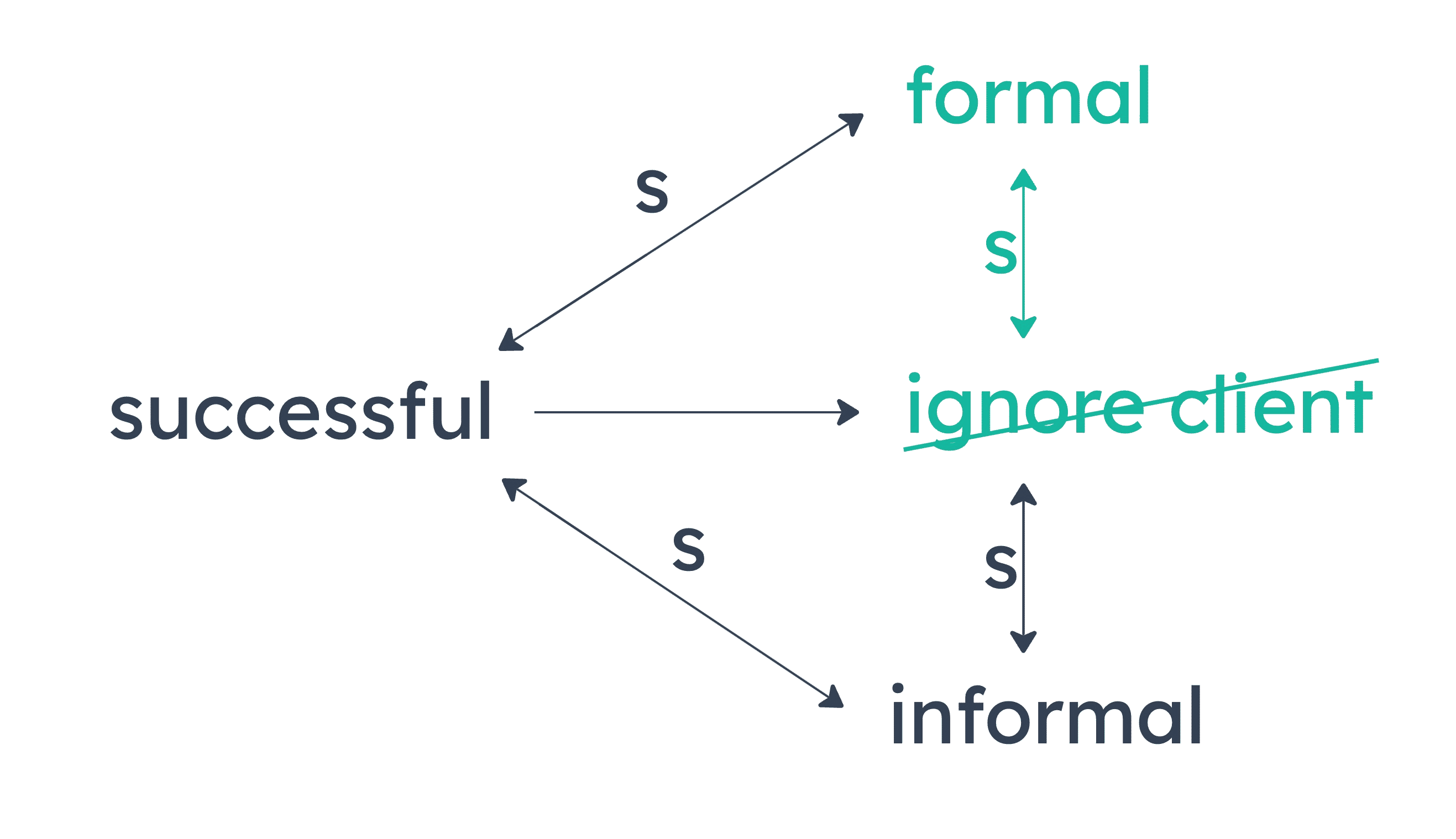
The more attentive █ ███████ ████████ ██ ██ █ ████████ ███████ ███ ████ ██████ ███ ████████ ██ ██ ██ ███████████
This could be false. The argument does not distinguish between different levels of attention to clients, or different likelihoods of success. We just care about whether or not someone falls into these categories at all.
No graphic designers ███ █████ █████ █████ ██ ███ ███ ████ ██████ ████████ ███████
This could be false. (D) takes it too far. (D) says “informal→/ignore client.” We can’t support that conditional statement. We can just say that SOME who learn informally on the job won’t ignore client wishes; we can’t make this statement about everyone who learned informally.
The most successful ███████ █████████ █████ █████ █████ ██ ███ ████
This could be false. Similar to (C), the stimulus does not make comparative statements. Since we don’t have any comparative evidence in the stimulus, we cannot make any comparative inferences about what the “most successful” designers do.
Answer five questions and we'll estimate your score.
It takes about five minutes.
Take the free diagnosticWant to know why the right answer is right?
7Sage membership unlocks explanations of every question. Every answer choice. On every official PrepTest. Start with a free account.