


That wall is supported by several joists. ███ ████ █████ ████ ███ ████ ██████ ███ █████ ████ ███ ████ ███ ███ ██ █ ██████ ██████ ██████████ ██ █████ ███ ██ ███ ██████ ██ ███████
The stimulus can be diagrammed as follows: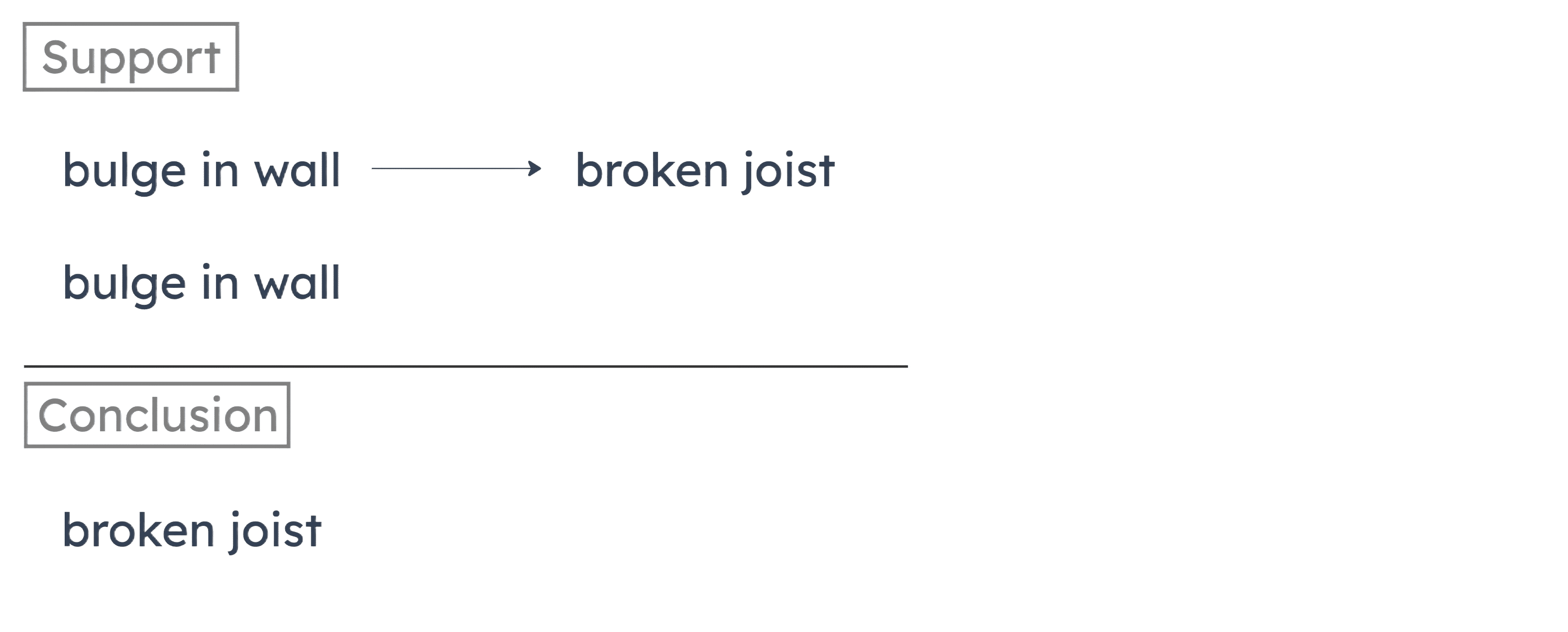
Which one of the following █████████ ██ ████ ███████ ██ ███ ███████ ████████ ██ ███ ████████ ██████
At least one ██ ███ ███████ ██ ███ █████████ ████ ████ ████ █ ████████ █████ ███████ ████ █████ ████ ████ ███ █████████ ███████ ██ ███ ███ ███ ████ ████
The diagram for (A) matches the diagram for the stimulus:

The first piece ████ ████ ████ ███ ████████ █████ ██ ███ ███ ████ █████ ██ ███ ██████ ███████ ██ █████ ███ █████████ ███ ███ ████ ████ █████████
Mismatched premises. (B) establishes a biconditional relationship between the first piece and not making mistakes (first piece←→/mistakes), then concludes that the first piece must have been the easiest. The premises do not mention anything being easy, so this is not a logically valid argument, and it does not match the argument structure of the stimulus.
The players play ████ ████ ████ ████ ████ ███ ██████ █████ ████ ████ ██ ████ ████████ ████ ████ ████ █████████ ████ ██ ███ █████
Mismatched conclusion. The stimulus doesn’t make a conditional conclusion; it concludes by simply confirming the necessary condition of the conditional relationship outlined in the premises. (C) makes a conditional conclusion (playing well→like music).
One of the ███████████ ███████ ████ ██ ████ ██ ████ ███ █████ █████ ██ ███ ██ ███ ██████ ████ ███ ███████ ██ ████ ██████ ███████ ███ ████████ █████████ ████ █ ████ ██████ ██ ███████
Mismatched premises. The premise of (D) establishes that something should happen (a harp should be played), but the conclusion says that something must be true (that someone must be able to play the harp). This jump in certainty makes the argument invalid, and also does not parallel the stimulus.
The emotion of ███ █████ ██ ███ ████ █████ ████ ███ ████ ██████ ███ █████████ ██ ████ ██ █████ ████ █████ █████ ███ █████████ ███ ███████ ██████████
Mismatched premises and conclusion. The stimulus sets out a conditional premise and triggers the sufficient condition to make a conclusion; (E) makes a conditional conclusion and a straightforward claim in the premise.
Answer five questions and we'll estimate your score.
It takes about five minutes.
Take the free diagnosticWant to know why the right answer is right?
7Sage membership unlocks explanations of every question. Every answer choice. On every official PrepTest. Start with a free account.
By signing up you agree to our
terms of service.
This site is protected by reCAPTCHA and the Google
Privacy Policy
and
Terms of Service
apply.