


Support If temperatures had dropped below freezing when I was gone last week, the impatiens in my garden would have died. ██ ███ █████████ ███ █████ ████ █████████ █████ ███ ████████ ██ ██████ ████████ █████ ███ █████████ ██ ██ ██████ ███ █████ ██ █████ ██████ ████████████ ███ ███ ████ █████ ████████ ████ █████
The argument proceeds by presenting a conditional chain and negating the final necessary condition to conclude that the initial sufficient condition has not been satisfied.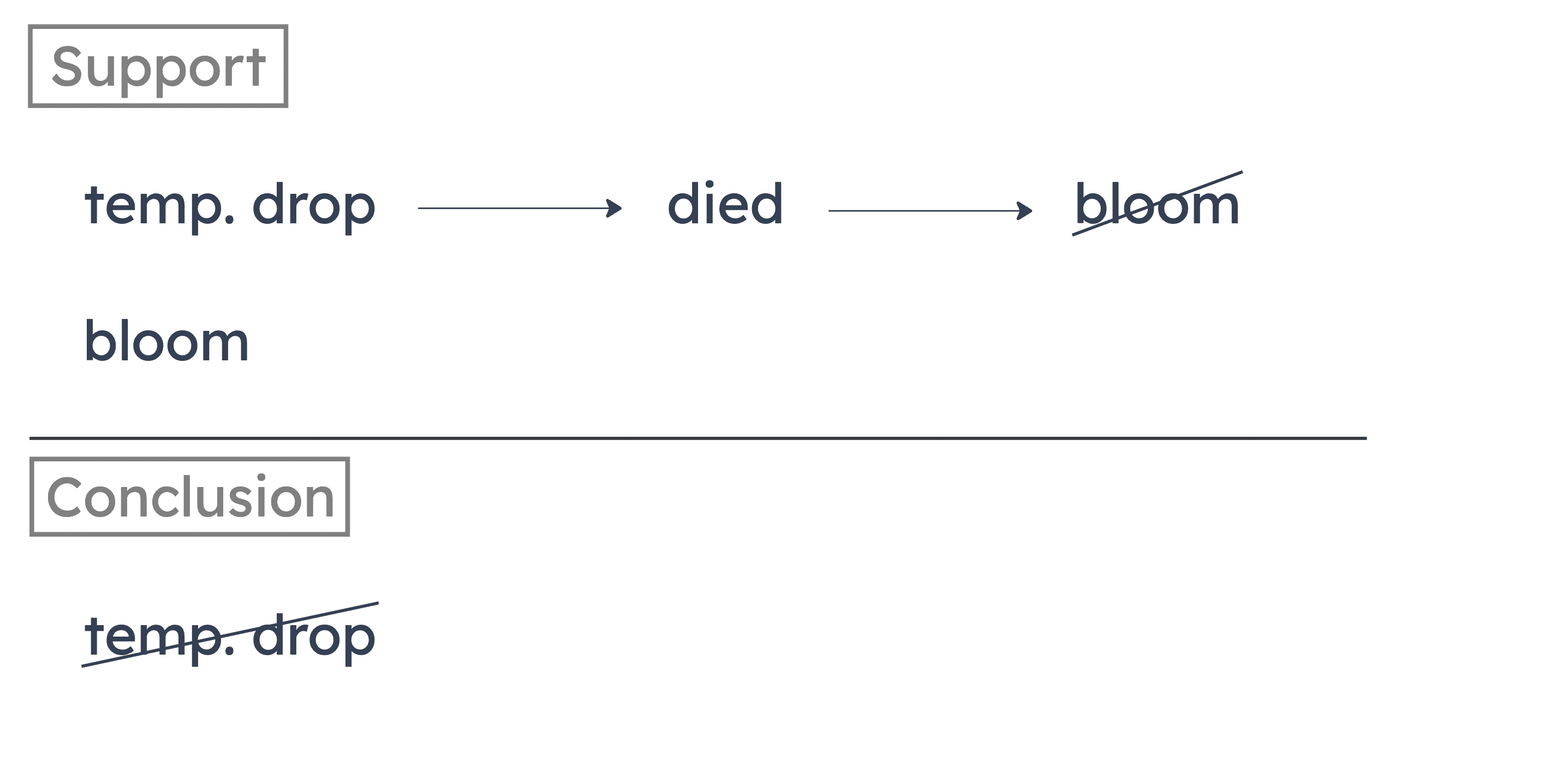
The pattern of reasoning in █████ ███ ██ ███ █████████ █████████ ████ ███████ █████████ ████ ██ ███ ████████ ██████
If a species ██ ██████ ██████████ ██ ████ ██████ ████ ██████████ ████ █ ███ ████████████ ██ █ ███████ ███████ ██ ███ ███ ████████████ ██ ████ ████ ██ ███████ ██████ ██ ███████ ███████ ████████ ██ ████ ████████████ ████ █████ ████ ███████ ███ ███ ███ ██ ███████ ██████ ██ ███ ███████ ███████ ████████ ██ ███ ███ ████████████ ██ ██ ███ ██████ ██████████
Just like the stimulus, this argument proceeds by presenting a conditional chain and negating the final necessary condition to conclude that the initial sufficient condition has not been satisfied.
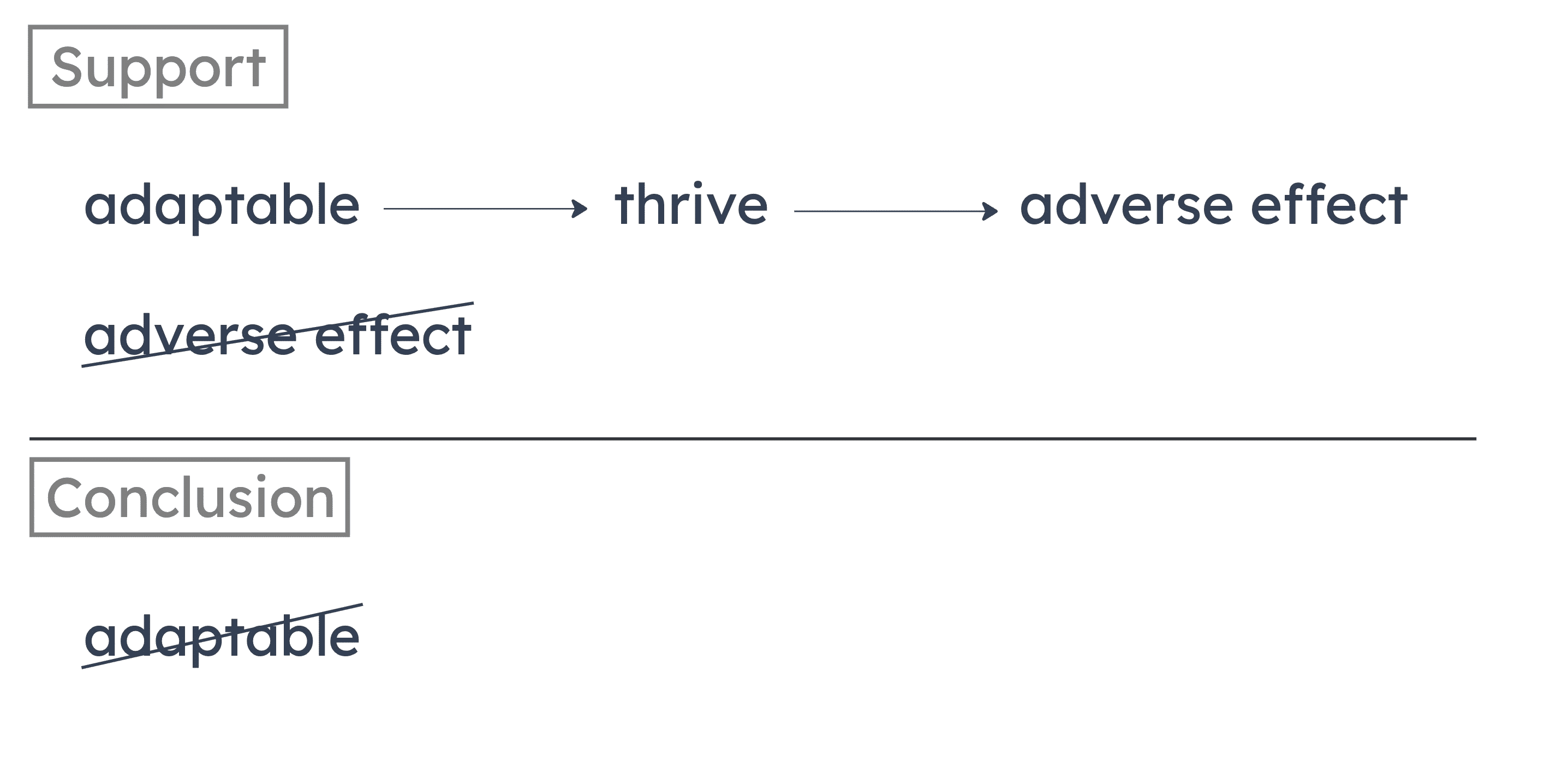
If a species ███████ ██ █ ███ ████████████ ████ ███████ ██ ██████████ ███████ ████ █████ ██ ███ ████████████ █████████ ██████ ████ ███████ ███████ ████████ ██ █████ █████████████ ███ ██ █ ███████ ████ ███ █████████ ██████ ███ ███████ ███████ ████████ ██ ███ ███ ████████████ ██ ███ ███ ███████ ██ ███
Mismatched conclusion. (B) presents a conditional chain (Thrives→Adaptable→Adversely Affect). It then validly concludes that the absence of the third variable (Not Adversely Affect) leads to the absence of the second variable (Not adaptable). The stimulus, however, concludes that the absence of the third variable in a conditional chain leads to the absence of the first variable, so (B) doesn’t match.
If a species ██ ██████████ ████ █ ███ ████████████ ██ █████████ ███████ ████ ███████ ███████ ████████ ██ ████ ████████████ ███ ████ ██ ██ ██████ ████ ██ ███ ██████████ ██ █ ███████ ████ ███ █████ ████ ██ █ ███ ████████████ ██ ████ ███ █████████ ██████ ███ ███████ ███████ ████████ ██ ███
Mismatched premises and conclusion. (C) presents a conditional statement that translates to, “If a species is introduced into a new environment and adversely affects some of the existing species, then it adapts well to that environment.” It then validly concludes that the absence of the necessary condition (It doesn’t adapt well) leads to the absence of part of the sufficient condition (It will not adversely affect any species). The stimulus, however, concludes that the absence of the third variable in a conditional chain leads to the absence of the first variable, so (C) doesn’t match.
If the introduction ██ █ ███ ███████ █████ █████████ ██████ ████ ███████ ███████ ████████ ██ ██ ████████████ ████ ███████ ██████ ███ ██ ██████████ ████ ███ ██████████ █████ ███ ████████████ ██ ███████ ████ ███ ████████████ ████ ██████ ██ ████ ███████ ██ █████ ████████████ █████ █████████ █████████ ███████ ██████ ████████ ███ ██ ██████████ ████ ███ █████████████
Mismatched premises and conclusion. (D) presents a conditional statement (If a new species would hurt the existing species in an environment, then the new species shouldn’t be introduced). It then concludes that the sufficient condition probably leads to the sufficient condition. The stimulus, however, concludes that the absence of the third variable in a conditional chain leads to the absence of the first variable, so (D) doesn’t match.
If a new ███████ █████ ██████ ██ ████████████ ████ ███████ ██████ ███ ██ ██████████ ████ ███ ██ █ ███ ███████ ██ ███████████ ███ ████ ███ ██ ███████ ██ ███████████ ███ ███████████ ██████████ ███████ ███ ████████████ ██ ███████ ████ ███ ████████████ ██ ██████ ██ ███████ █████ ███████████ ██████ ██ ███████████
Mismatched premises and conclusion. (E) presents two conditional statements: “If a new species would hurt the environment, then it shouldn’t be introduced,” and “If a new species is introduced, then this risk can be reduced through population control.” It then invalidly brings up the new concept of whether the population should be controlled in the conclusion. The stimulus, however, concludes that the absence of the third variable in a conditional chain leads to the absence of the first variable, so (E) doesn’t match.
Answer five questions and we'll estimate your score.
It takes about five minutes.
Take the free diagnosticWant to know why the right answer is right?
7Sage membership unlocks explanations of every question. Every answer choice. On every official PrepTest. Start with a free account.
By signing up you agree to our
terms of service.
This site is protected by reCAPTCHA and the Google
Privacy Policy
and
Terms of Service
apply.