


Antinuclear activist: The closing of the nuclear power plant is a victory for the antinuclear cause. ██ ████ ██████████ █ ███████ ██████████████ ██ ███ █████ ████████ ████ ████ ██████ ███████ ████ ██████ ███████
███████ █████ █████ ████████ ██ ██████████ ██ ████ ██████ ███ ████████████ ██ █████ █████ ████ ██████████ ████████ ████████ ████ ███ ████ ██ ████████ ██████ ███████████ ███ ██████ ████████ ████ █████████ █████████ ███████████ ████ ██ ███ ███ ██████ ██████████████ ███ ████████ ██████████████ ████ ████████ ███ █████████ ████████
This stimulus features a common flaw – the argument assumes an event can only have one cause (“We had safety reasons to close the plant, so we therefore had no other reasons”). But the correct answer brings a different lens – the argument assumes two categories are mutually exclusive when in fact they may overlap (i.e. some economic reasons can also be seen as safety reasons). Here’s a summary that captures both these themes:
Premise: We faced a bunch of costs (some were low-key safety related) that made the plant unprofitable.
________
Conclusion: We didn’t close the plant for safety reasons; we closed it for cost reasons.
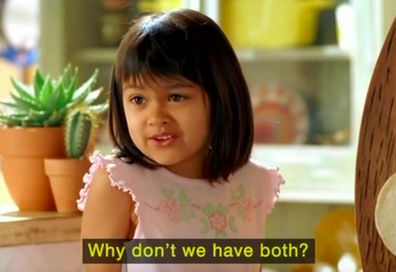
So yeah, just because there were economic reasons to close the plant doesn’t mean there weren’t also safety reasons. Arguments that assume something can only have one cause are quite common on the test. My personal meme for this is “por que no los dos?”
Additionally, some of the supposedly-economic considerations the manager cites could also be painted as safety considerations.
The reasoning in the manager’s ████████ ██ ██████ ███████ ███ ████████
fails to acknowledge ████ ███ █████ ████████ █████ ███ ███████ ███████ █████ ██████ ██ ██ ██████ ████ ██████ ████ █████ ███ ███ ██████ ███ ██████ ███████
The activist and the manager are arguing about whether the plant’s closure was an admission that the plant was unsafe.
(A) would be relevant if the manager’s conclusion were “the power industry believes nuclear plants are safe,” but it’s actually something more like “I never said the plant was unsafe!”
Here’s another perspective: the manager’s conclusion is about whether the plant was closed for safety reasons, not about how the power industry feels about safety.
overlooks the possibility ████ ███ ███████ ████ █████ █████ █████ ██ █████████ █████ ██████████ ██ ███████ ██ ██████ ████████
The manager’s argument is about whether the nuclear plant was closed for safety reasons. They say the closure was partly due to cheaper alternative power sources (think coal).
If coal and nuclear are both subject to safety concerns, that would make safety a much less relevant consideration when choosing between the two. It would strengthen the manager’s case that the closure really was just about economics.
mistakes the issue ██ ████ ███ ███████ ██ ███ █████ ██████████ ██ ███ ██████ ███ ███ █████ ██ ████ ███ ███████████ ███████ ███ ███ ███████ ████
Those two issues – What does the closure represent? and What were the reasons for the closure? – are in fact closely related.
The activist’s argument relies on the idea that the plant was closed for safety-related reasons, so it’s completely appropriate for the manager to respond with additional information about the actual reasons behind the closure.
takes as one ██ ███ ████████ █ ████ █████ ███ █████ ████████████ ████████ ██████ ███████ ██████ ████ ███████████ ███ ████████████ ████
The manager contradicts the activist’s view in a conclusion, not a premise:
Activist:The power industry thinks nuclear plants are unsafe
Manager:We never said that , because…
counts as purely ████████ ██████████████ ████ ████████ ████ █████ ██ █ ██████ ██ ███ ████ ██ ████ ██████ ███████████
Manager:
As mentioned in the analysis, some of the supposedly-economic considerations the manager cites could also be painted as safety considerations. It costs a lot of money to make safety repairs – is that not a safety consideration?
Answer five questions and we'll estimate your score.
It takes about five minutes.
Take the free diagnosticWant to know why the right answer is right?
7Sage membership unlocks explanations of every question. Every answer choice. On every official PrepTest. Start with a free account.
By signing up you agree to our
terms of service.
This site is protected by reCAPTCHA and the Google
Privacy Policy
and
Terms of Service
apply.