
Subscription pricing
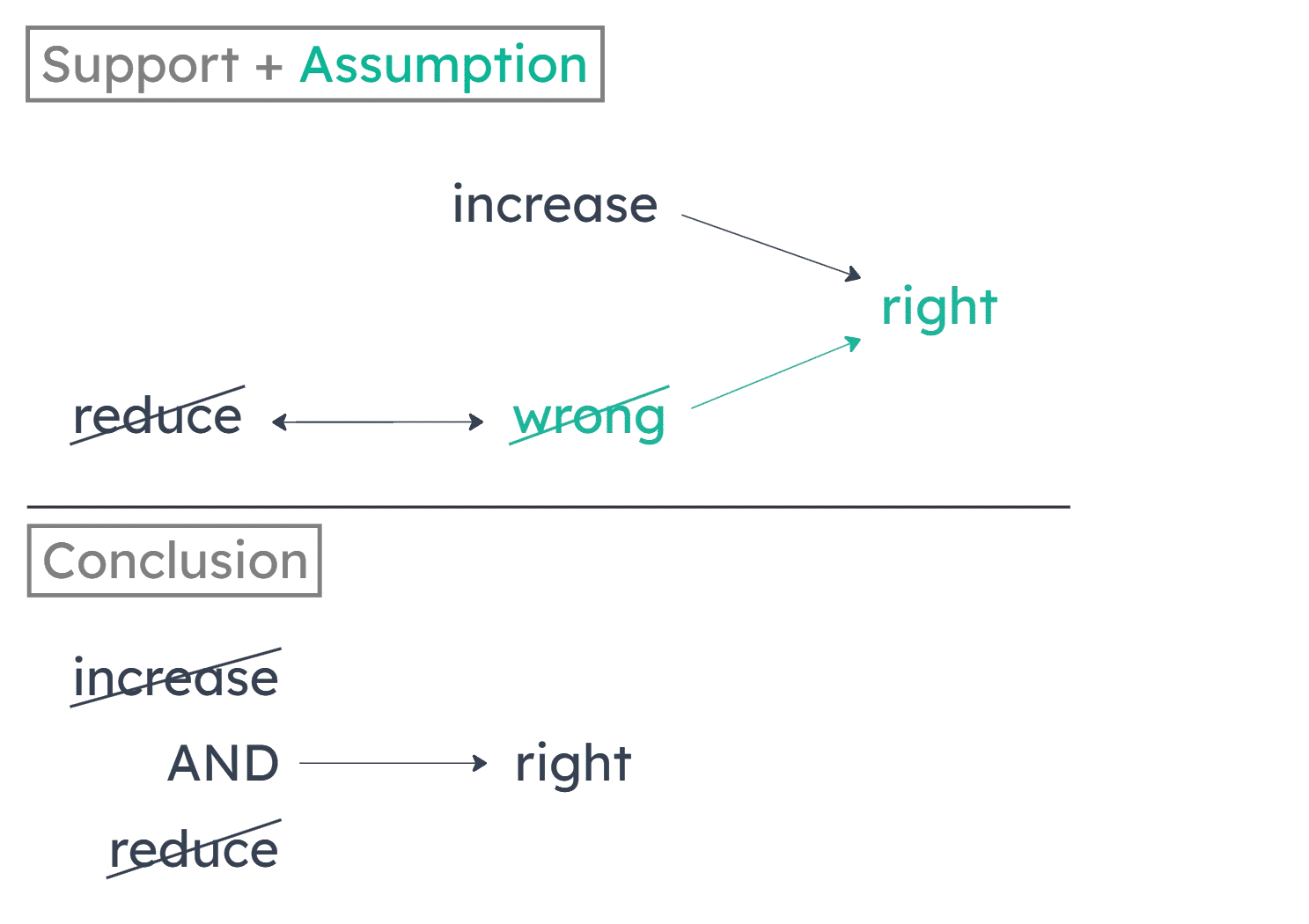
Philosopher: An action is morally right if it would be reasonably expected to increase the aggregate well-being of the people affected by it. An action is morally wrong if and only if it would be reasonably expected to reduce the aggregate well-being of the people affected by it. Thus, actions that would be reasonably expected to leave unchanged the aggregate well-being of the people affected by them are also right.
23.
The philosopher's conclusion follows logically if which one of the following is assumed?
a
Only wrong actions would be reasonably expected to reduce the aggregate well-being of the people affected by them.
b
No action is both right and wrong.
c
Any action that is not morally wrong is morally right.
d
There are actions that would be reasonably expected to leave unchanged the aggregate well-being of the people affected by them.
e
Only right actions have good consequences.