


Moralist: A statement is wholly truthful only if it is true and made without intended deception. █ █████████ ██ █ ███ ██ ██ ██ ████████ ██ ███████ ██ ██ ███ ████████ ████ ████████ ████ ███ █████████ ███ ███████████████ ████████ ████ ██████████ ███
We’re given two principles concerning the truth of a statement:
(1) If a statement is wholly true, then it is true and not intended to deceive.
(2) if a statement is intended to deceive or if the speaker does not correct themselves after learning their statement was misinterpreted, then it is a lie.
We must find the right application of these principles. We can conclude that a statement is not wholly true by denying either of the necessary conditions, but we can’t prove that a statement is true. Similarly, we can conclude that a statement is a lie by triggering either of the sufficient conditions, but we can’t conclude that a statement isn’t a lie.
The right answer will feature one of these valid conclusions.
Which one of the following █████████ ████ ███████ ████████ ██ ███ ██████████ ██████ ██ ███ █████████
Ted's statement to ███ ████████████ ████ ██ ███ ████ ████████ ██ ████████████████ ██████ ███ ██████ ████████ ████ ██████ ██ ███ ███ ████ ████ ████████ ██ ████████████████ ███████ █████ ████ ███ ███ ███ ██████ ██ ███████ ███ █████████████
Wrong conclusion. We can only conclude that a statement isn’t wholly truthful—not that it is. Ted also failed one of the necessary conditions of a wholly truthful statement by saying something untrue, so his statement was not wholly truthful.
Tony was not █████ ████ ██ ████ ███ █████████████ ████ ██ ███ ███ ████ █████████ ███ ████ ██████ ████ █████ ██ ███████ ███ ██████████████ ███ ████ ██ █████ ██ ████ ████ ███ ███ ███ ███████ ████
Wrong conclusion. We cannot conclude that a statement isn’t a lie—only that it is. Tony also fulfilled a sufficient condition for lying by trying to deceive his granddaughter, so he did in fact lie.
Siobhan did not ████ █ ███ ████ ███ ████ ███ ██████████ ████ ███ ███ ███ ███ █████ █████ ███ ██ ████ ██ ████ ██ ████ ███ ██ █████████ █████████████ ████████ ████ ██████ ███ █████████ ███ █████ ██ ███ ███ ██████ █████████
Wrong conclusion. To prove a statement is not wholly true, it must either be untrue or intended to deceive. Siobhan’s statement was true, and we have no clue if she intended to deceive, so we can’t conclude it wasn’t wholly true.
Walter's claim to █ █████████ ████████ ████ ██ ███ ████ █████████ ████ ███ █ ████ ████ ██████ ██████ ███ ██████ ███████ ███ ██ ███ ████████ ████████ ██ ████ ███ ██████ ██████████ █████ ██ ██ ███████ ██ ███████ ███ ███████████ ████ ████████ ██ ███ ██████ ███ █ ████████ ██████████ ██████
If a statement is intended to deceive, we know it’s a lie. Walter intended to deceive the interviewer, so we don’t even need to read the rest of (D). We already know his statement must have been a lie.
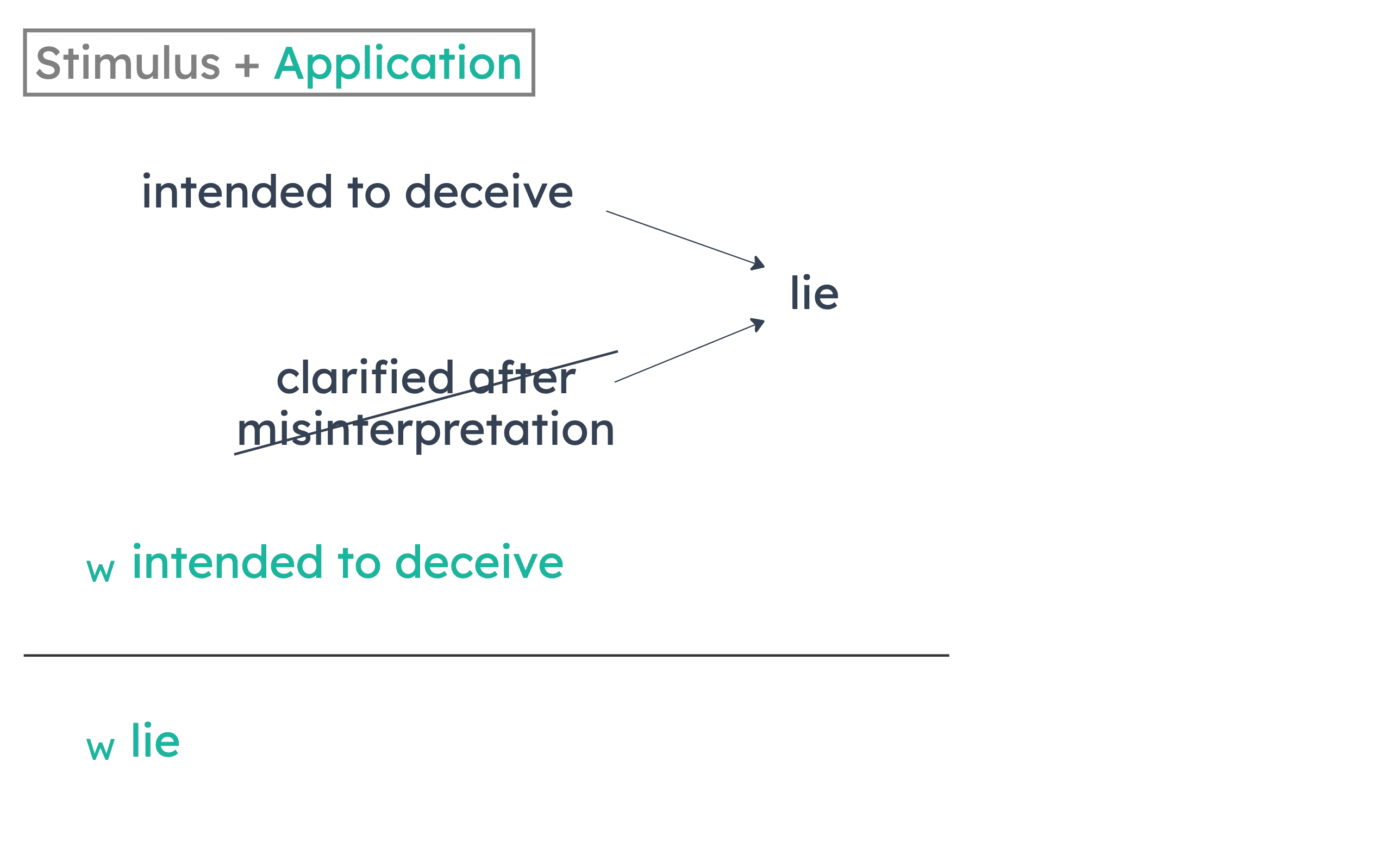
The tour guide ████████ ██ ███████ ███ ████████ ████ ██ ████ ████ ████ ███ █████ ████ ████ ███████ ██ ███ █████████ ████ ██████ ███ █████████ █████ ███ ███████ ███ ███ ███ █ ████ ███ ██ ██ ███████ ████ ████ █████████ ███ ████ ███████████████ ██ █████ ████ █████ ██ ███████ ███
Wrong conclusion. If a statement is intended to deceive, we know it’s a lie. The tour guide tried to deceive the tourists, so he lied.
Answer five questions and we'll estimate your score.
It takes about five minutes.
Take the free diagnosticWant to know why the right answer is right?
7Sage membership unlocks explanations of every question. Every answer choice. On every official PrepTest. Start with a free account.
By signing up you agree to our
terms of service.
This site is protected by reCAPTCHA and the Google
Privacy Policy
and
Terms of Service
apply.